
When it comes to boosting your brow game, understanding how combination brows heal is key. This article explains what combination eyebrows are and highlights the main steps involved in their post-procedure recovery process. Being aware of what to expect can greatly affect the results, minimizing worry and ensuring beautiful outcomes. From initial care to common concerns, this manual will equip you with all the knowledge needed for a confident healing journey. If you are thinking about getting this treatment or have just had it done, this complete guide will help you achieve optimal long-lasting results.
Comprehending Combination Eyebrows
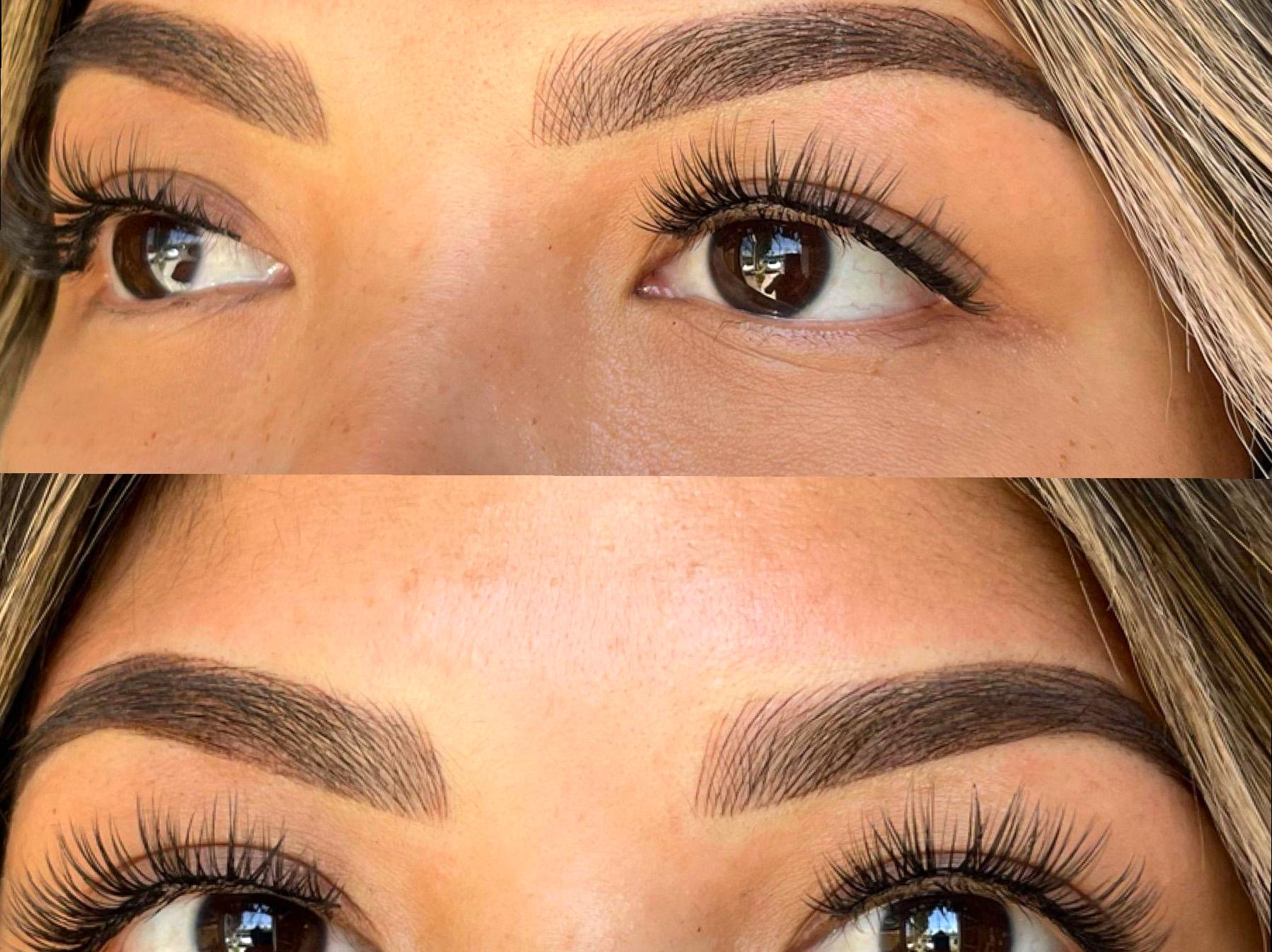
Combination eyebrows refer to a popular semi-permanent makeup technique that combines two styles – microblading and shading. In this method, realistic hair strokes are created along the front of the brow using microblading while soft gradient shading is added towards the tail for a fuller appearance. This flexible approach allows for naturalness as well as thickness and definition desired by many people. Because it is two-in-one, this technique suits different hair types, skin tones and brow shapes best fitting an individual’s facial features thus making it highly demanded.
Why Choose Combination Eyebrows?
There are several reasons why one may choose combination eyebrows over other methods of enhancing their brows. Firstly, they strike a perfect balance between natural and defined looks which appeals to those who want both worlds. Secondly, this technique can last longer than traditional eyebrow makeup thereby saving money in the long term as it is more cost-effective. People also love that no two sets of eyebrows are similar since each set is designed to suit a client’s face shape best complementing their overall look. Lastly, the healing process though important can be easy if proper aftercare instructions are followed.
The Procedure of Combination Eyebrows
The combination eyebrow procedure usually begins with a consultation where you talk about what you want to achieve with your technician. During this time, they will assess color and technique preferences as well as do a patch test to ensure that there are no allergic reactions. Once the design and color have been agreed upon, numbing cream is applied by the technician so that you feel minimal discomfort. They start off by making hair strokes at the front of your brow then fill in the rest with shading. The whole process may take between two to four hours depending on individual requirements and speed of work for each technician.
Tools and Techniques Used
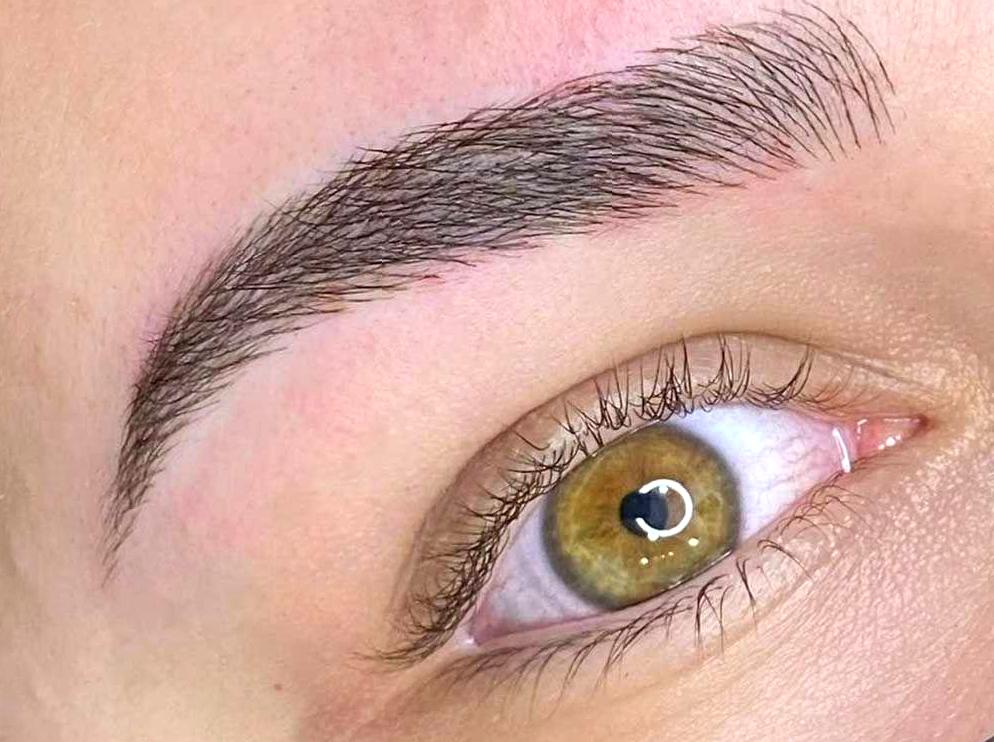
Various tools and techniques are employed in creating beautiful combination brows. Microblading uses a fine blade to implant pigment into the skin while shading achieves gradient effects through a tattoo machine. High quality pigments, needles and protective barrier are necessary for ensuring longevity and health of brows. Additionally, hygiene standards must be observed strictly in order to prevent any infections. The level of expertise possessed by the practitioner matters a lot; therefore ensure that you choose someone who has undergone extensive training in this field.
Pre-procedure Preparation
Preparing for your combination eyebrow appointment is crucial if you want everything to go well. Here is a brief outline of what should be done before going for your treatment:
- Avoid blood thinners like alcohol, caffeine or certain medications within 48 hours prior.
- Make sure there is no makeup on the area on which measurements will be taken during the day of appointment.
The Healing Process
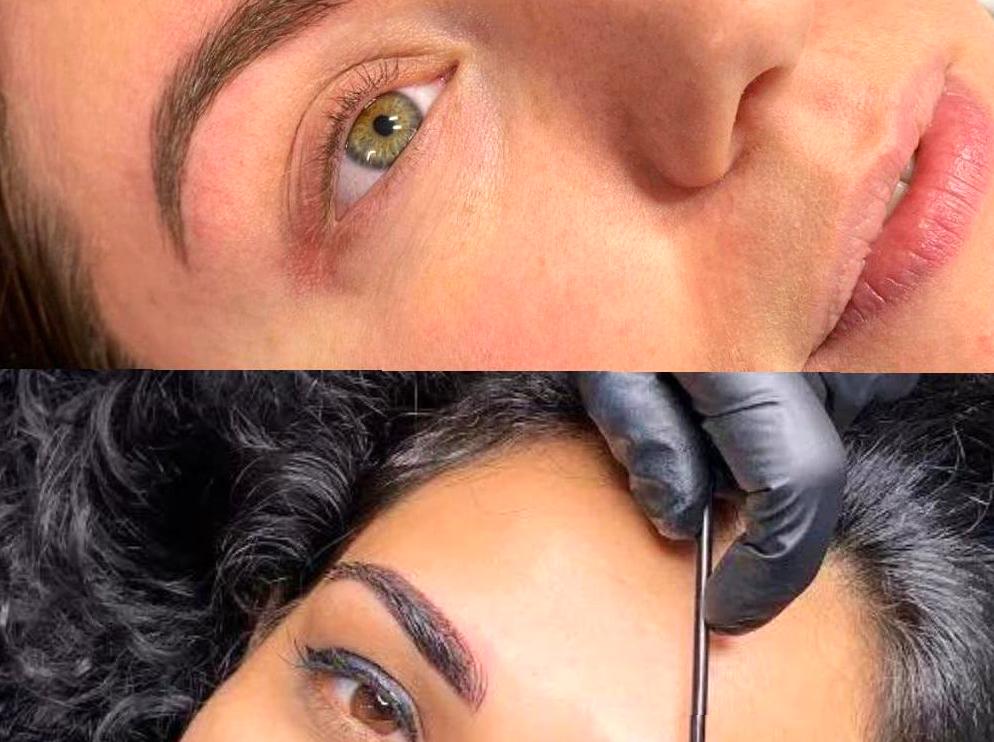
Your technician will give you specific instructions for immediate aftercare once they finish working on your eyebrows. This might involve not getting your eyebrows wet for a few days and avoiding activities that could make you sweat a lot. It is also common to put healing ointment on them so they stay moisturized and protected. Those first few days are important because they determine how well the pigment settles into your skin, so following the aftercare instructions will help prevent complications or infections.
1-2 Weeks: What to Expect
The brows may look darker and more pronounced during the first week as part of the healing process. After a couple of days, some peeling and fading should occur as the skin starts to heal itself. It is crucial not to pick at scabs or peel off any skin because this can ruin everything overall. Putting on recommended healing ointment can soothe it during this time too. The initial discomfort should go away too which makes healing progress much smoother.
3-6 Weeks: Final Healing Stages
Within weeks after initial healing phases, brows will begin softening up and blending in with your face more naturally. By week three, what you see is what you get with them mostly but still keep in mind that it takes about six full weeks for all color to come through completely healed. Throughout ongoing healings though continue good hygiene practices while avoiding unprotected sun exposure always! Sometimes touch-ups might need done once everything has settled correctly usually around four-six weeks post-procedure.
Long-Term Care for Your Eyebrows
Once combination brows have fully healed, long-term care ensures they stay looking fresh and vibrant! Sunscreening brow area prevents UV fade out plus harsh skincare products or treatments near/around them (retinoids/glycolic acids) should be avoided too if possible since these could affect appearance over time. Keeping up with regular touch ups every 1-3 years depending on skin type will keep your brows full and beautiful. Remember patience is key!
Common Concerns During the Healing Process
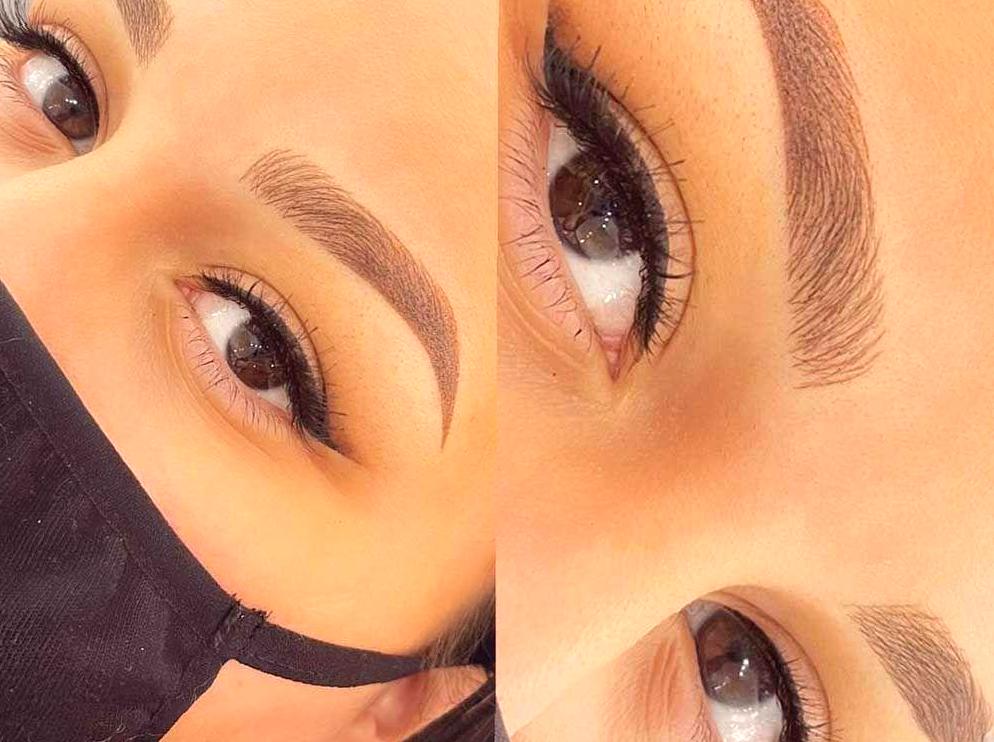
Swelling and redness are normal after the procedure, usually peaking within 24-48 hours. Applying a cold compress can help with this by reducing inflammation and providing relief during recovery. If swelling continues past initial healing time or worsens significantly, consult your technician as soon as possible to address any concerns.
Scabbing and Peeling
You may experience some scabbing or peeling as your eyebrows heal; this is completely normal! It happens because of skin regeneration combined with pigment settling in place. Do not pick at scabs under any circumstances – doing so could affect how they end up looking once healed over. Moisturizing the area can help ease discomfort associated with peeling too; most scabs fall off naturally within first week or two.
Infection Risks and How to Avoid Them
Risks of infection are very low but still it’s always good practice to follow hygiene protocols which minimize chances for infections occurring. Always wash hands before touching brows, avoid hot tubs/swimming pools/excess water during initial healing phase, discontinue certain skincare products around brow area as instructed by technician.
If you notice any signs of infection, such as too much redness, pus or increased pain, contact a medical professional immediately.
When to Consult a Professional
Signs of Complications
Knowing what complications may arise can help you respond appropriately during the healing process. If you see persistent swelling, extreme pain or any signs of infection, it is important that you get in touch with your technician or healthcare provider. It’s always better to be safe than sorry if something doesn’t seem right. Also, if you are not happy with how your brows look like after healing discuss this with your technician who might suggest some solutions or adjustments.
Follow-Up Appointments
Follow-up appointments are crucial in ensuring that combination brows heal well. These appointments are usually scheduled four to six weeks post-procedure and they allow the technician to evaluate how the healing is progressing and make any necessary changes. Regular follow-ups will keep you on track towards achieving your desired brow looks. Your technician can advise on maintenance and when to book future touch-ups for best results.
Conclusion
The healing process for combination eyebrows is an important part of getting the perfect look. Knowing what to expect and how to take care of them can make all the difference in the end result. Remember that patience is key; healing takes time and following aftercare instructions given by your technician will greatly affect outcome. By being knowledgeable and proactive, one can ensure a gratifying experience which will yield beautiful natural looking brows enhancing their features for years to come.
FAQs
A1: Full recovery may take about 6-8 weeks but initial recovery usually happens within first two weeks.
Q2: Can I wear makeup during the healing process?
A2: It is generally recommended not to apply any make up on the brow area for at least 10-14 days so as to avoid irritation and infection.
Q3: How can I reduce swelling after the procedure?
A3: Applying cold compresses onto the area can help reduce swelling. Ensure that you keep treated area clean and avoid excessive touching.
Q4: Are there any risks associated with combination eyebrows?
A4: Like any other cosmetic procedure, there is risk of infection, allergic reactions and dissatisfaction with results. Following proper aftercare can minimize these risks.
Q5: What should I do if I experience excessive pain during the healing process?
A5: Mild discomfort is normal but if one experiences severe pain it’s important to seek advice and assessment from your professional.